
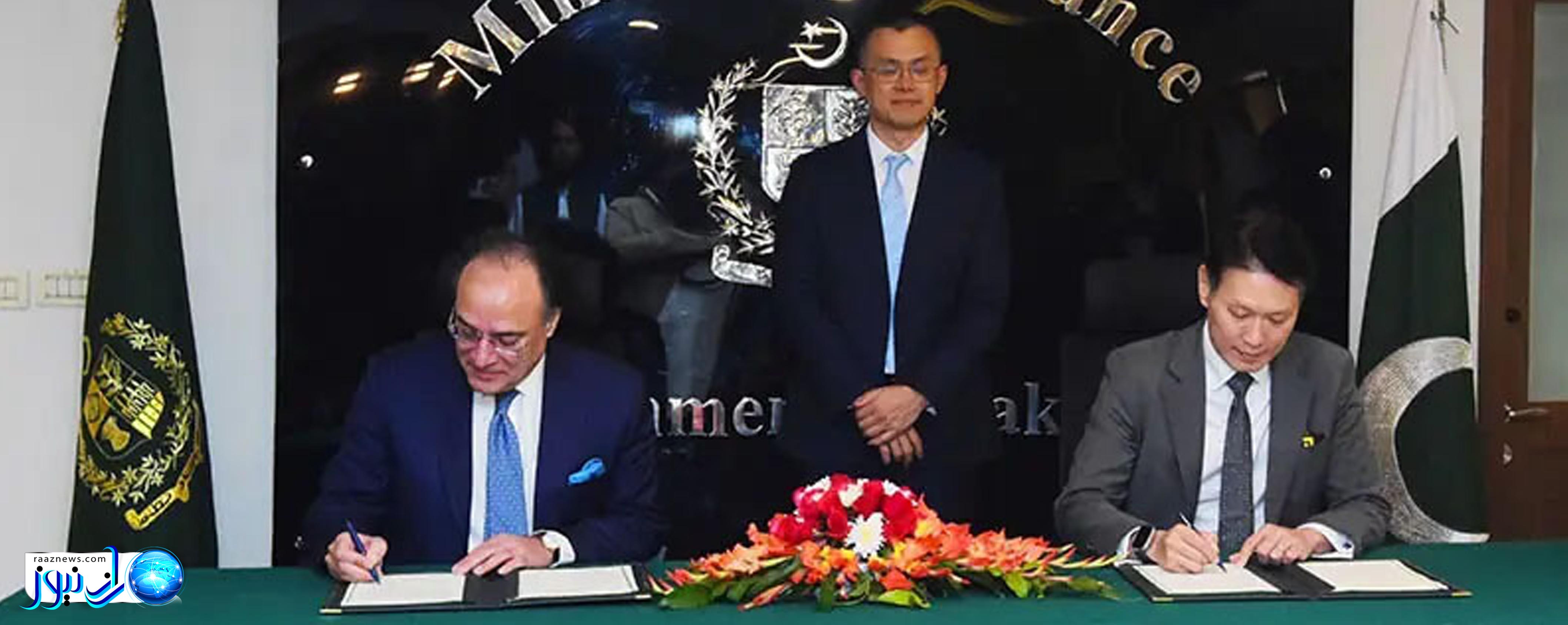
Pakistan has signed a memorandum of understanding with global crypto exchange Binance to explore the tokenisation of up to $2 billion in sovereign bonds, treasury bills and commodity reserves, as the country pushes to modernise its financial markets and attract foreign investment.


12/12/2025 14:15
Pakistan has signed a memorandum of understanding with global crypto exchange Binance to explore the tokenisation of up to $2 billion in sovereign bonds, treasury bills and commodity reserves, as the country pushes to modernise its financial markets and attract foreign investment.


12/12/2025 13:28
Field Marshal Syed Asim Munir, Pakistan’s Chief of Army Staff and Chief of Defence Forces, on Friday inspected operational preparedness at the Gujranwala and Sialkot garrisons, reaffirming the military’s focus on combat readiness, technological adaptability and countering evolving security threats.
12/12/2025 12:49
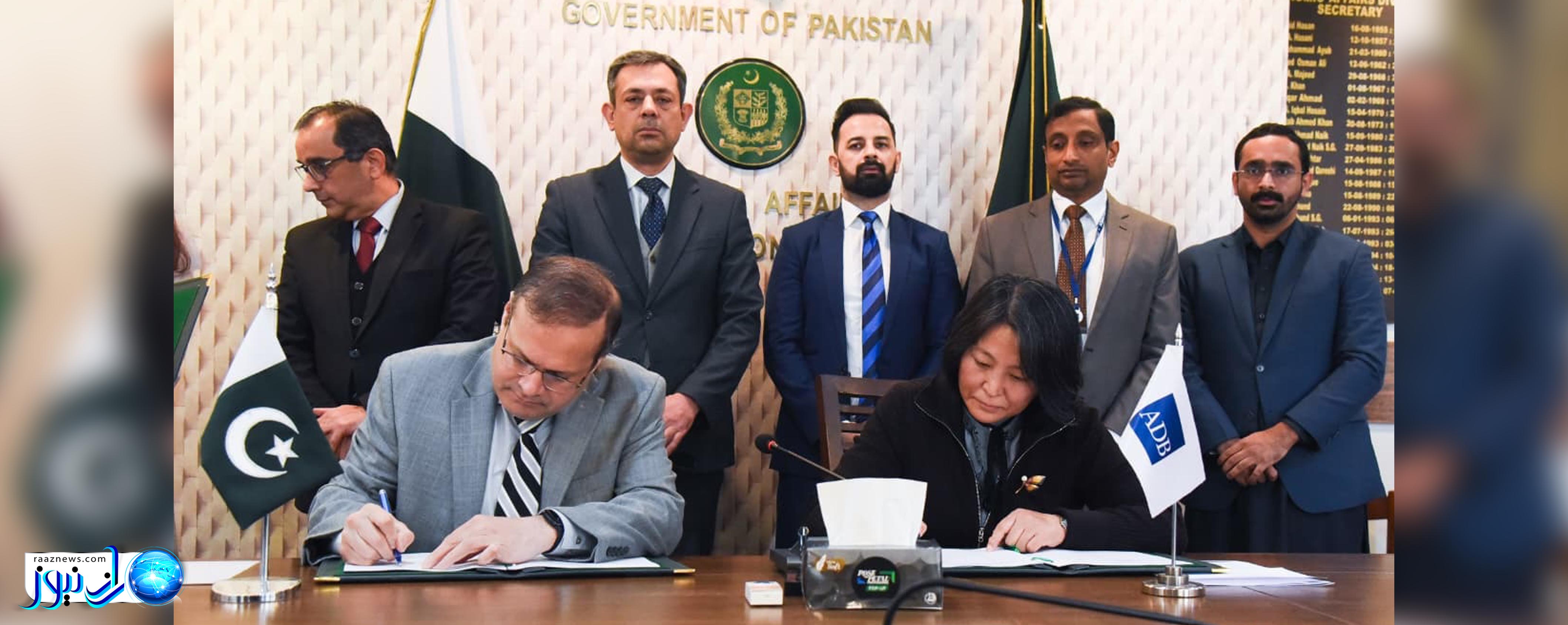
Pakistan and the Asian Development Bank signed two major financing agreements worth $257 million to strengthen secondary STEM education and health workforce reforms in Punjab, aiming to drive long‑term human development through result‑based programs in the education and health sectors.
12/12/2025 12:18
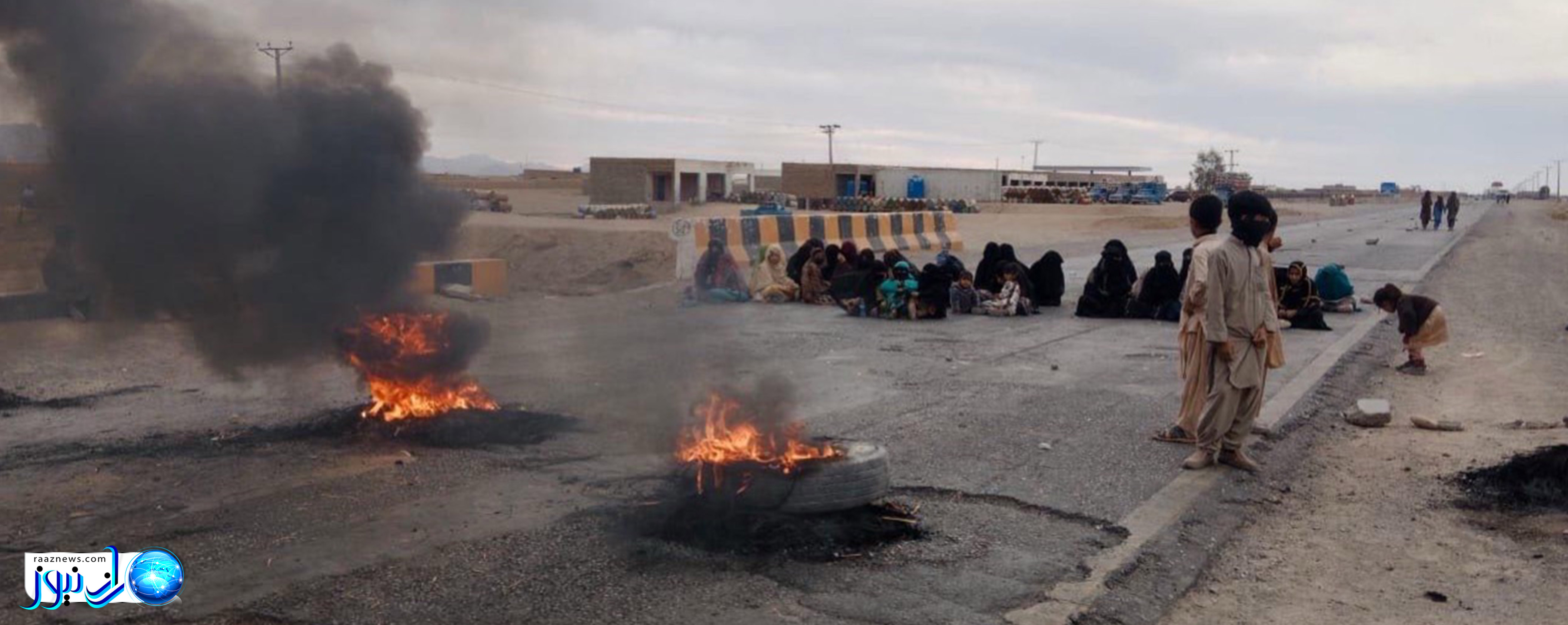
Family members of abducted Baloch siblings Rahima and Zubair have launched a sit-in protest in Dalbandin, demanding their immediate release and an end to enforced disappearance.

14/02/2021 15:37
اسد مجید خان سفیر پاکستان در ایالات متحده آمریکا در گفتگو خصوصی با رسانه ها به بهبودی روابط پاکستان و ایالات متحده در دولت بایدن ابراز امیدواری کرد.